
Specialist CareFor Your Digestive and Liver Health
Dr. Mohamed Samy El Sayed offers diagnosis and treatment for digestive and liver conditions, endoscopy services, and follow-up tailored to each patient’s needs.
Your Digestive Health Deserves Specialist Care
Explore Dr. Mohamed Samy El Sayed’s services in hepatology, gastroenterology and endoscopy, from symptom assessment and investigations to treatment and follow-up.
Gastrointestinal Endoscopy
Gastroscopy and colonoscopy to examine the digestive tract lining, investigate symptoms, and take biopsies or perform treatment when needed.
Liver Diseases
Assessment and treatment of liver conditions, including fatty liver disease, viral hepatitis and cirrhosis, with monitoring and an individualised care plan.
Colon and Digestive Diseases
Diagnosis and treatment of stomach, bowel and colon conditions, such as reflux, irritable bowel syndrome, constipation and recurrent diarrhoea, with tailored follow-up.
Screening & Early Diagnosis
Selecting appropriate tests based on symptoms, medical history and risk factors to support early detection and guide treatment.
Digestive Endoscopy
A clearer view inside the digestive tract to understand symptoms and guide diagnosis and treatment.
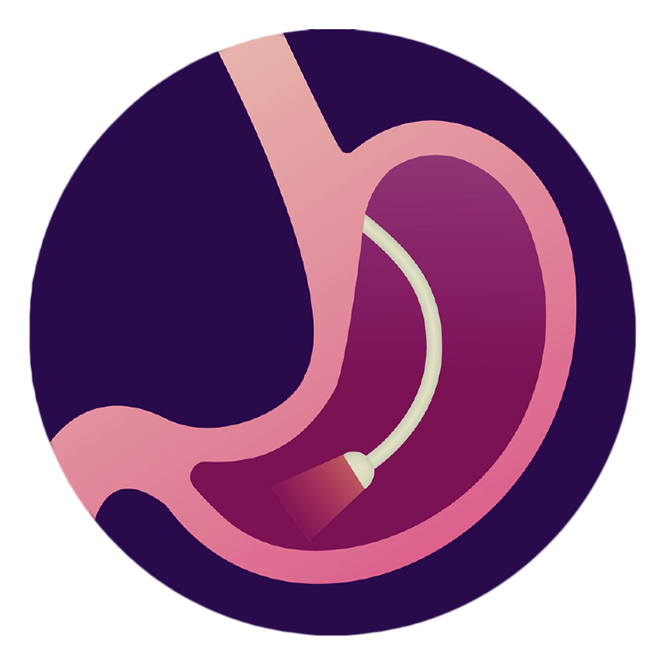
An Overview of Gastrointestinal Endoscopy
An endoscope is a flexible tube with a camera that allows doctors to view the lining of the digestive tract. It helps investigate symptoms and examine abnormalities, and may allow biopsies or certain treatments. The type of endoscopy depends on the area being examined and the patient’s condition.
Gastroscopy: Understanding Your Symptoms
Gastroscopy examines the oesophagus, stomach and duodenum to investigate symptoms such as upper abdominal pain or difficulty swallowing. It can identify inflammation and ulcers, and allows biopsies when needed. The decision to perform it depends on symptoms, medical history and previous test results.
Colonoscopy: Examination, Diagnosis and Treatment
Colonoscopy examines the lining of the colon and rectum to investigate symptoms such as bleeding or persistent changes in bowel habits. It can identify polyps and inflammation, with biopsies and removal of some polyps possible during the procedure. Appropriate bowel preparation is needed for a clear view.
Your Liver Deserves Specialist Care
Understand your liver condition and treatment options with Dr. Mohamed Samy El Sayed, from fatty liver disease and viral hepatitis to cirrhosis, with care and follow-up tailored to you.
Cirrhosis: Understanding the Condition and Monitoring Complications
Cirrhosis involves liver scarring caused by ongoing damage and may affect liver function. Care focuses on identifying and treating the cause where possible, assessing the extent of liver damage and monitoring potential complications. Treatment and regular investigations are tailored to each patient.
Fatty Liver Disease: Assessment and Follow Up
Fatty liver disease involves a build-up of fat in the liver, with effects that vary between patients. Assessment includes medical history, blood tests and imaging, with additional tests sometimes needed to assess scarring. Care is guided by the findings and includes nutrition, physical activity and management of associated health conditions.
Viral Hepatitis: Care Based on the Virus Type
Viral hepatitis requires identification of the virus and assessment of its effect on the liver before treatment is selected. Evaluation may include viral tests, liver blood tests and other investigations as needed. Regular follow up helps assess disease progression and treatment response, alongside appropriate prevention guidance.
Colon and Digestive Health… Understanding What’s Behind Your Symptoms
With Dr. Mohamed Samy El Sayed, we assess your symptoms, investigate their causes, and tailor treatment and follow-up to your condition.
Irritable Bowel Syndrome: A Plan for Your Symptoms
Assessment considers the symptoms, their duration and relationship to meals and bowel movements, alongside medical history to determine whether tests are needed. IBS management focuses on the symptoms that affect the patient most. It may include dietary and lifestyle changes, appropriate medication and follow up.
Acid Reflux: Assessing Recurrent Heartburn
Reflux care begins with understanding the nature and frequency of heartburn and its effect on daily life, while reviewing medication and dietary habits. The doctor determines suitable treatment and whether further tests or endoscopy are needed. Follow-up assesses improvement and guides adjustments if symptoms persist.
Gastritis and H. pylori: Identifying the Cause
Different stomach conditions can cause similar symptoms, so diagnosis relies on assessment and appropriate testing. If H. pylori infection is suspected, the doctor selects a suitable test. Identifying the cause guides treatment, with follow-up and further testing arranged as appropriate to assess the response.
Investigations and Early Detection… A Step Towards Better Care
With Dr. Mohamed Samy El Sayed, we select appropriate tests and explain the results to understand your symptoms, detect problems early and guide treatment and follow-up.
Symptom Assessment: The First Step in Understanding Your Condition
Diagnosis begins with listening to the symptoms and understanding their onset, duration and associated factors. Assessment also includes medical history, medication review and a physical examination. These steps guide test selection and interpretation to establish an appropriate diagnosis and care plan.
Liver Investigations: Interpreting Results Together
Liver assessment may involve blood tests, imaging and tests to identify the cause or assess scarring, depending on the condition. Individual results are interpreted alongside other findings and medical history. The doctor explains their meaning and whether follow-up or further assessment is needed.
Early Detection of Colorectal Conditions
Screening for colorectal polyps and cancer is selected according to age, family history and risk factors. Options may include stool tests or colonoscopy, depending on the medical assessment. Discussing the options and results helps determine the next steps and appropriate follow-up intervals.
Gastrointestinal Endoscopy… A Clearer View for More Precise Care
Explore different types of gastrointestinal endoscopy and how they help examine organs and investigate symptoms. Your doctor selects the appropriate procedure based on your condition and diagnostic or treatment needs.
Gastroscopy
Applications
- Examines the oesophagus, stomach and duodenum.
- Helps assess upper abdominal pain, difficulty swallowing and reflux symptoms when indicated.
- Identifies inflammation and ulcers and allows tissue biopsies.
- May treat certain sources of bleeding or widen some narrowed areas.
Colonoscopy
Applications
- Examines the rectum and the entire colon.
- Helps investigate bleeding and persistent changes in bowel habits.
- Detects inflammation and polyps and allows biopsies when needed.
- Allows removal of some polyps and is also used for screening based on individual risk.
ERCP (Bile Duct Endoscopy)
Applications
- Examines the rectum and the lower part of the colon.
- Helps assess certain cases of bleeding and lower bowel symptoms.
- Identifies inflammation and polyps and allows biopsies when needed.
- May be followed by a full colonoscopy if the remaining colon needs examination.
Endoscopic Ultrasound (EUS)
Applications
- A small capsule containing a camera is swallowed to capture images of the small bowel.
- Examines areas beyond the reach of standard gastroscopy or colonoscopy.
- May investigate unexplained bleeding or assess certain small bowel conditions.
- Provides images for assessment but cannot take biopsies or perform treatment.
When Might You Need Endoscopy?
Some symptoms may require endoscopy to identify their cause and guide treatment. They do not automatically mean you need the procedure; your doctor determines whether it is appropriate and which type you need.
Blood or Signs of Bleeding
Blood in the stool, black tar like stools or vomiting blood require medical assessment. Endoscopy may locate the bleeding source and sometimes treat it. Vomiting blood or heavy bleeding, especially with dizziness or fainting, requires immediate emergency care.
Persistent Changes in Bowel Habits
Ongoing diarrhoea or an unusual, persistent change in bowel habits may require investigations, including colonoscopy in some cases. The decision depends on symptom duration, age, medical history and associated signs such as bleeding or weight loss.
Unexplained Iron Deficiency Anaemia or Weight Loss
Unexplained iron-deficiency anaemia or unintentional weight loss may lead your doctor to recommend gastroscopy or colonoscopy to investigate a digestive cause. The appropriate tests depend on blood results, symptoms and medical history.
Difficulty Swallowing or Food Feeling Stuck
Difficulty or pain when swallowing, or a feeling that food gets stuck, may prompt gastroscopy to examine the oesophagus and investigate causes such as inflammation or narrowing.
Everything You Need to Know Before Booking
Answers to common questions about consultations, investigations and endoscopy to help you prepare for your visit with Dr. Mohamed Samy El Sayed.
Bring any previous blood tests, scans and endoscopy reports, along with a list of your medications and doses. Be ready to describe your symptoms, when they started and the questions you would like to ask.
Ready to take the first step toward better health?Book Your Medical Consultation Now
Book your medical consultation today. Our medical team is ready to answer your questions and help you choose the most suitable service for your needs.